

Quality Palm Leaves Thatch Roof Tile from China Manufacturer
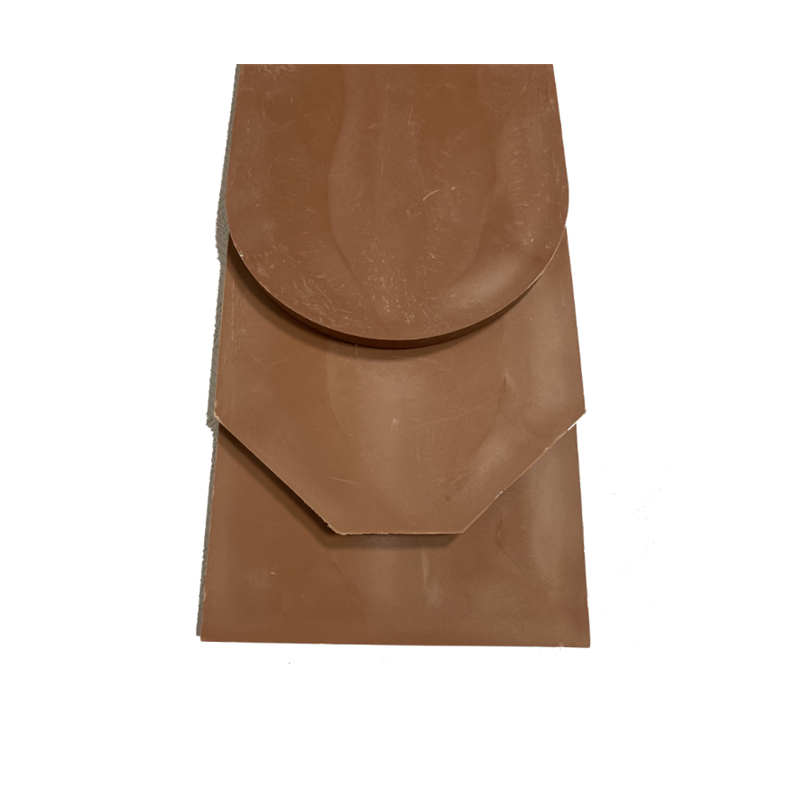
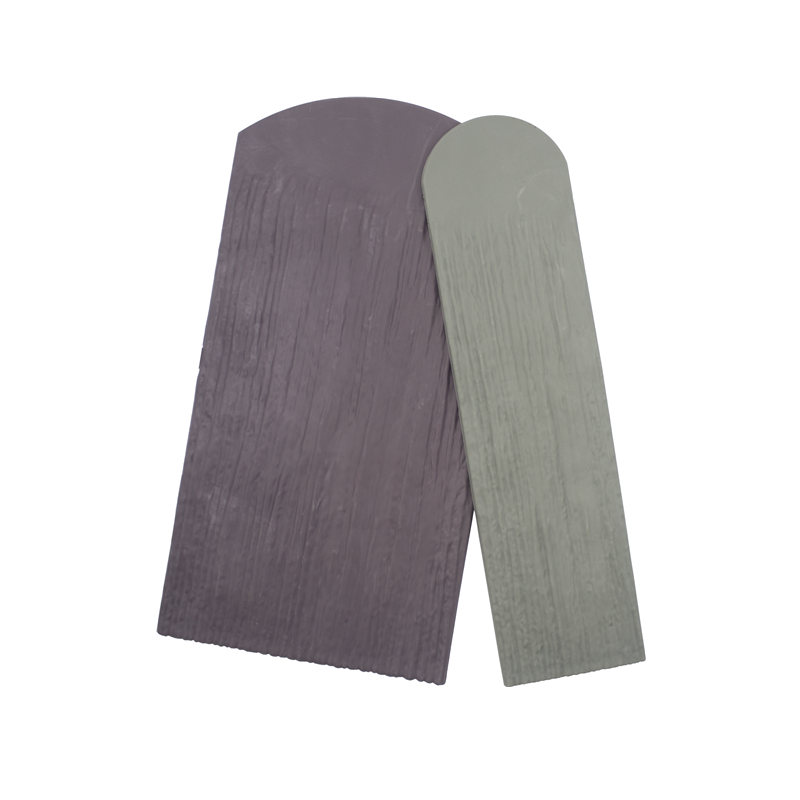
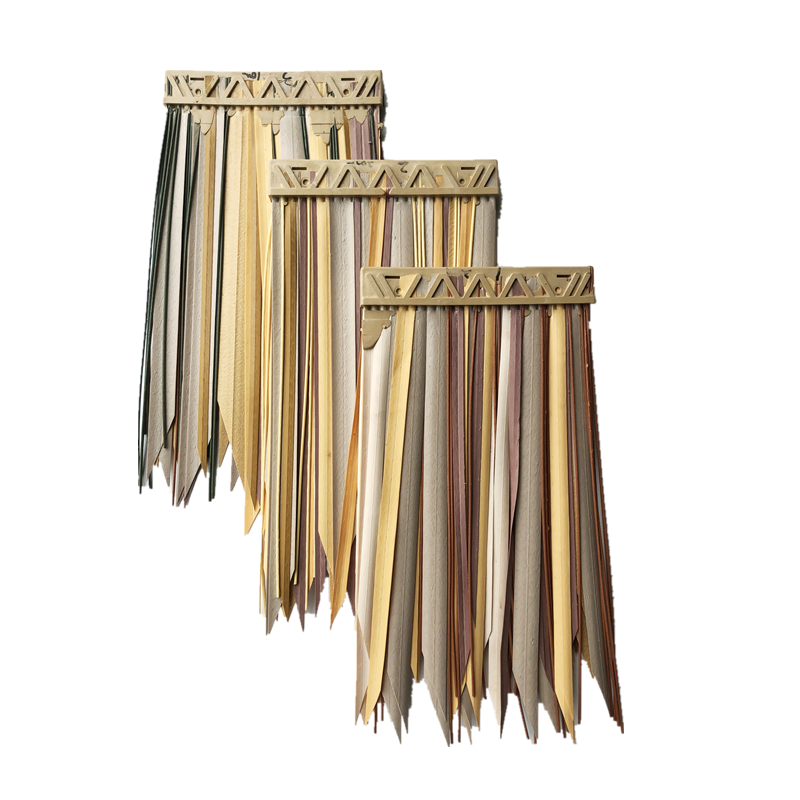
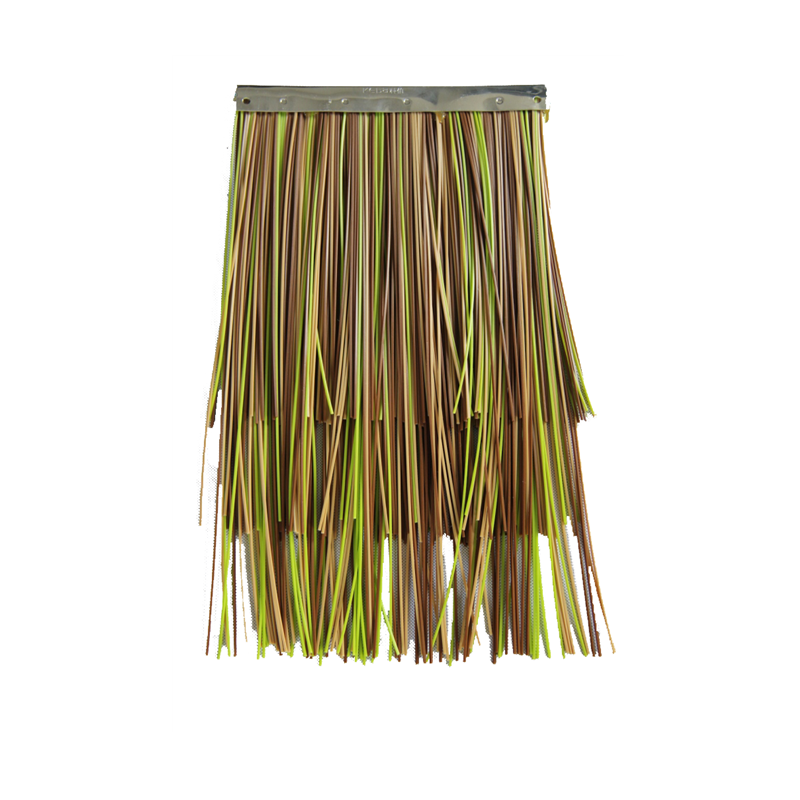
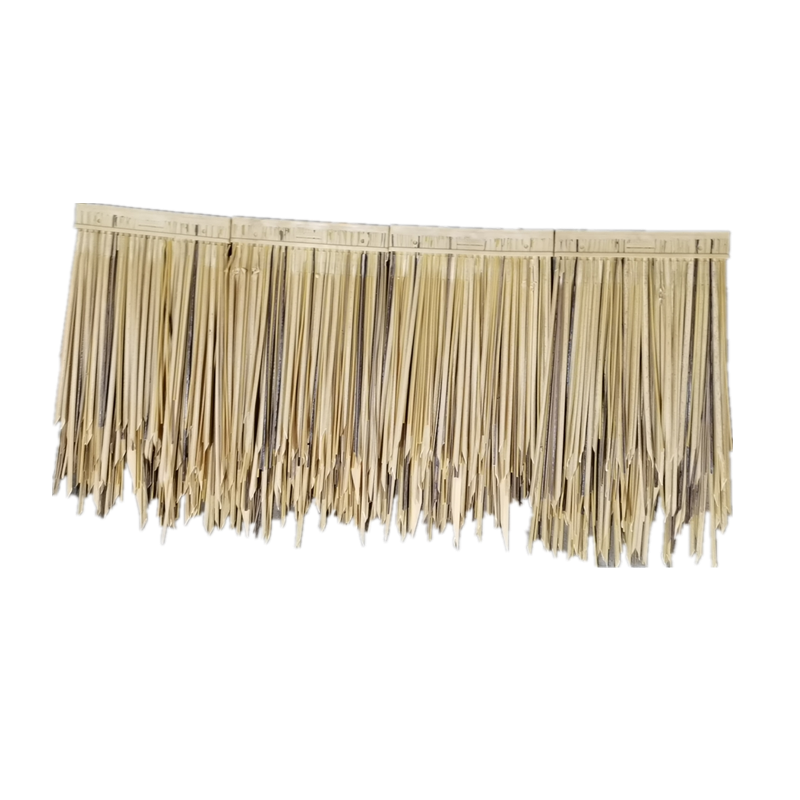
When I came across Palm Leaves Thatch Roof Tile, I was amazed at how beautifully they enhance any architectural style while providing excellent insulation and a unique aesthetic. Sourced directly from a leading manufacturer in China, these tiles are crafted with care, ensuring durability and sustainability. I personally appreciate how they bring a touch of nature to both modern and traditional designs. Each tile is lightweight yet incredibly strong, making installation a breeze, even for larger projects. Plus, their natural resistance to mold and insects keeps maintenance low. Whether you're building resorts, eco-friendly homes, or garden gazebos, these Palm Leaves Thatch Roof Tiles offer the perfect solution for that tropical look. Don't miss out on bringing warmth and charm to your next project—reach out today for more details!


Palm Leaves Thatch Roof Tile Application Leads the Global Market
In recent years, the demand for sustainable building materials has surged, with palm leaves thatch roof tiles emerging as a leading solution in the global market. These eco-friendly tiles not only offer aesthetic appeal reminiscent of traditional tropical architecture but also provide exceptional thermal insulation and durability. With the increasing emphasis on sustainability, architects and builders are looking for alternatives that harmonize with nature, making palm leaves thatch a popular choice for modern projects ranging from resorts to residential homes. Palm leaves thatch roof tiles excel in several key areas. Their natural flexibility allows for easy installation on diverse roof shapes and structures, while their lightweight nature reduces the overall load on building frameworks. Additionally, these tiles serve as excellent insulators, keeping interiors cool in the summer and providing warmth in the winter, ultimately lowering energy consumption. The longevity of these roofs, when properly maintained, can surpass that of conventional roofing materials, making them a cost-effective choice in the long run. As the global market continues to evolve, palm leaves thatch roof tiles stand out as a forward-thinking alternative that aligns with both aesthetic desires and environmental responsibility. As more builders and consumers recognize the benefits of these innovative roofing solutions, the shift towards sustainable design will likely accelerate, enhancing their position as a leading choice in construction worldwide.
Palm Leaves Thatch Roof Tile Application Leads the Global Market
| Region | Market Share (%) | Growth Rate (2021-2026) (%) | Key Applications | Main Benefits |
|---|---|---|---|---|
| North America | 25 | 5 | Residential Roofing, Eco-Tourism | Sustainability, Aesthetic Appeal |
| Europe | 30 | 4 | Resorts, Hotels | Durability, Natural Insulation |
| Asia-Pacific | 35 | 7 | Traditional Housing, Modern Architecture | Affordability, Environmental Friendliness |
| Latin America | 5 | 3 | Cultural Heritage Sites | Cultural Significance, Eco-Friendliness |
| Middle East & Africa | 5 | 2 | Luxury Resorts, Outdoor Facilities | Aesthetic Versatility, Weather Resistance |
Related Products

Palm Leaves Thatch Roof Tile Factory Global Reach
Top Selling Products
- Related Blog
- Reviews
