
Premium Synthetic Straw Thatch from Leading China Manufacturer
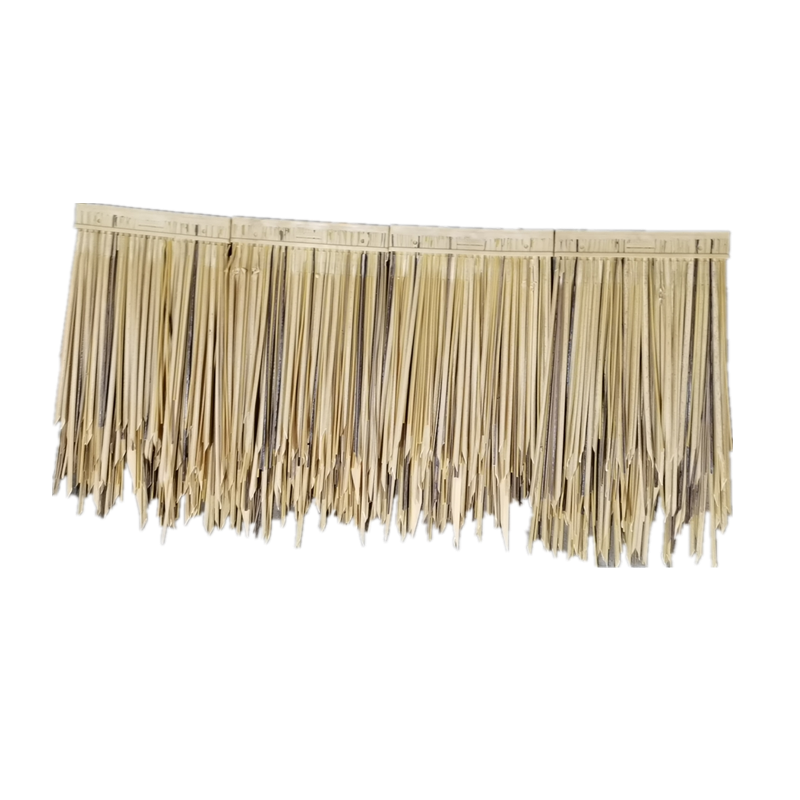
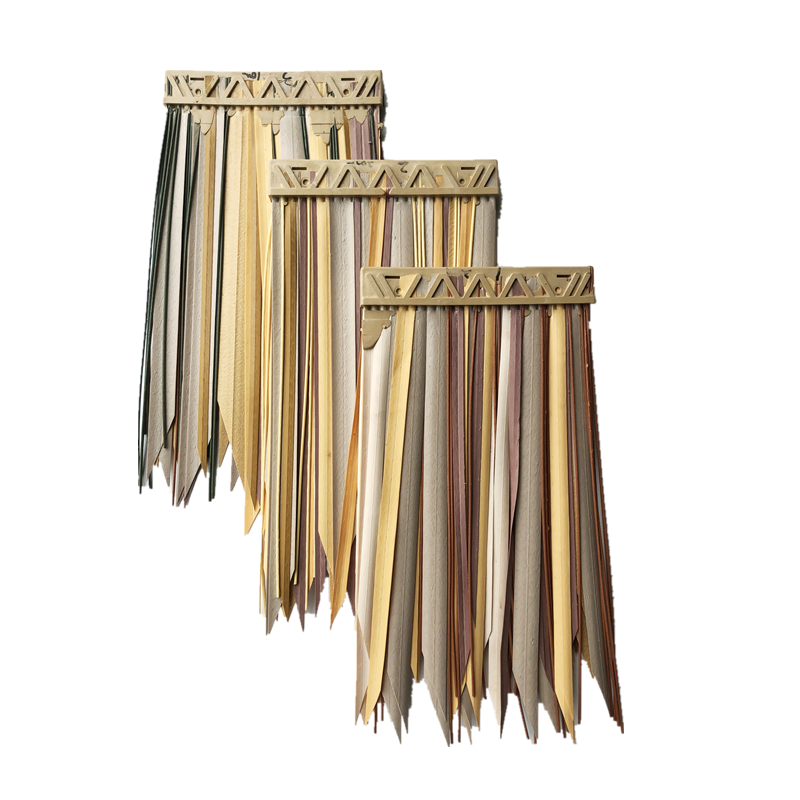
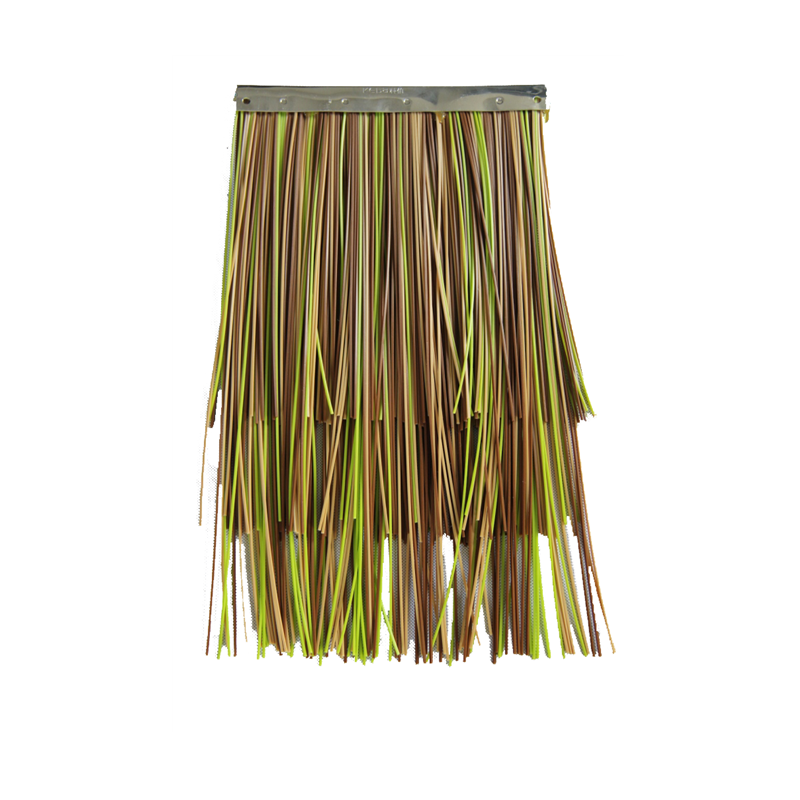
As a leading provider of synthetic straw thatch, I understand the complexities of choosing the right materials for your projects. Our product, sourced directly from trusted manufacturers in China, delivers exceptional durability and an authentic aesthetic without the maintenance hassles of natural thatch. Whether you're designing a resort, a themed restaurant, or an outdoor space, you'll appreciate the lightweight nature and easy installation of our synthetic options. I've seen firsthand how our synthetic straw thatch can elevate your designs, providing not just visual appeal but also remarkable weather resistance. It’s perfect for those who value sustainability and efficiency, as our materials are made to last without compromising quality. I’d love to help you find the best solution tailored to your needs. Feel free to reach out for samples or to discuss your project in detail!

Synthetic Straw Thatch Stands Out Winning in 2025
In 2025, the global market is set to witness a remarkable shift in the roofing and landscaping industry, with synthetic straw thatch emerging as a superior choice for architects, builders, and landscape designers alike. This innovative material not only replicates the natural aesthetics of traditional thatch but also offers enhanced durability and sustainability. With growing awareness of environmental impacts, many consumers are seeking alternative materials that contribute positively to ecological conservation without compromising on style. Synthetic straw thatch is designed to withstand harsh weather conditions while maintaining its vibrant appearance year after year. Unlike natural thatch, which can be prone to mold and insect damage, synthetic options are crafted from advanced materials that ensure longevity and reduced maintenance costs. This makes them especially appealing for large-scale projects such as resorts, hotels, and residential developments where long-term investment and aesthetic appeal are critical. Moreover, the versatility of synthetic thatch extends beyond mere roofing. It can be used creatively in various design elements, including wall coverings, garden features, and outdoor structures. As the demand for unique and sustainable design solutions continues to rise, suppliers and manufacturers are poised to meet this need, positioning synthetic straw thatch as a standout option in the competitive landscape of 2025.
Synthetic Straw Thatch Stands Out Winning in 2025
| Feature | Description | Benefits | Market Trends |
|---|---|---|---|
| Durability | Resistant to weather, UV rays, and pests | Long-lasting roof solution | Increasing demand for sustainable materials |
| Maintenance | Requires minimal upkeep | Lower long-term costs | Shift towards low-maintenance building materials |
| Aesthetics | Natural look mimicking real thatch | Enhances property value and appeal | Popularity in eco-friendly architecture |
| Installation | Lightweight and easier to install | Quicker project completion times | Rise in DIY home renovations |
| Environmental Impact | Made from recycled materials | Sustainable building option | Growing consumer preference for eco-friendly products |
Related Products


Synthetic Straw Thatch Application Supplies the World\u2019s Top Brands
Top Selling Products

.png)
- Related Blog
- Reviews
